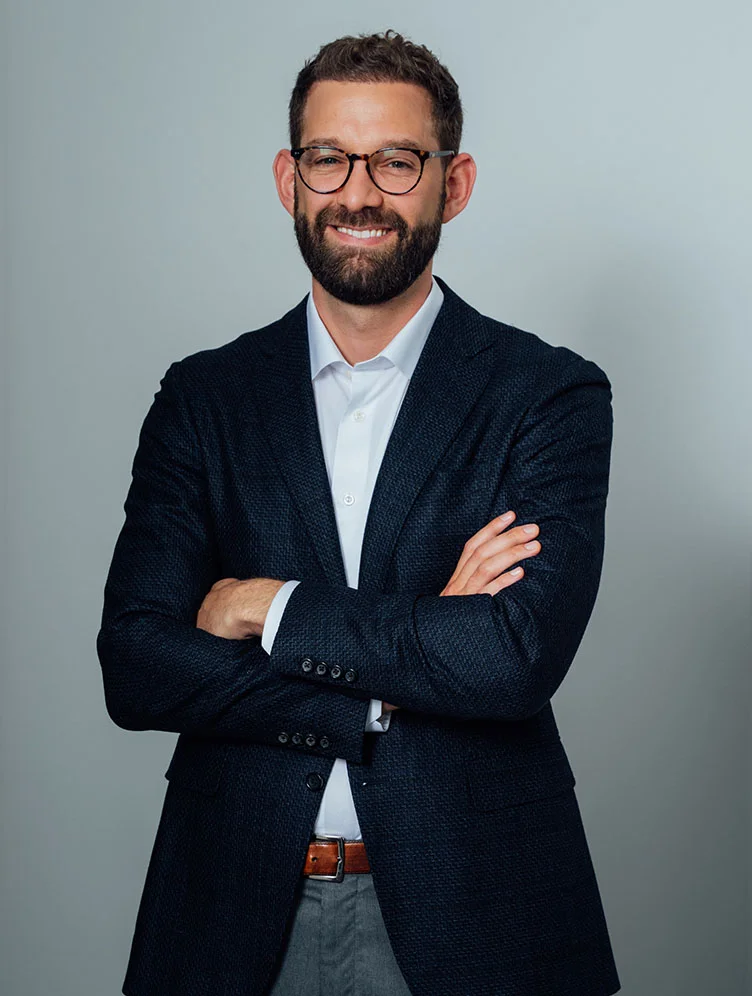
Ari Wes, M.D., M.S., is a plastic surgeon and the founder of Wes Plastic Surgery, a facial aesthetics practice in San Francisco. He earned his M.D. and M.S. at the University of Pennsylvania and completed his plastic surgery residency and chief residency at the Hospital of the University of Pennsylvania. He has authored more than 50 peer-reviewed publications and focuses on facial aesthetic surgery, including facelift, rhinoplasty, and eyelid surgery.
Why Facelift Costs Vary So Much in San Francisco
If you’ve started researching facelift cost in San Francisco, you’ve probably noticed that the numbers are all over the map. Patients come into my office at Wes Plastic Surgery having collected two or three quotes that differ by tens of thousands of dollars, and the reasonable question they ask is whether the expensive one is overpriced or the cheap one is cutting corners. Sometimes it’s neither. Most of the time, the quotes aren’t for the same operation.
A facelift is not one standardized operation
The word “facelift” covers a wide range of procedures that share a name and not much else. A short-scar, skin-only lift done under local anesthesia in an office procedure room is a facelift. So is a deep plane facelift with an extended neck lift, fat grafting to the midface, and an overnight recovery stay. Those two operations differ in what they treat, how long they take, what they require to do safely, and how long the result lasts. Until you know what operation each surgeon is actually proposing, the numbers can’t be compared at all.
What’s actually inside a facelift quote
When I put together a surgical plan, the price reflects several distinct components. It’s worth knowing what they are, because this is where quotes quietly diverge.
The technique itself
A deep plane facelift releases and repositions the SMAS-platysma complex, the muscular layer beneath the skin, as a single unit. That release, particularly of the retaining ligaments that tether the face, is what allows the deeper tissues to move without putting tension on the skin. It’s also meticulous work near the facial nerve branches, and it takes real time in the OR. A SMAS plication or skin-only lift skips that dissection, which makes it a shorter, less expensive operation, and one that relies more on skin tension for its result. You’re not just paying for hours in the OR; you’re paying for what those hours accomplish under the skin.
The neck
Many patients who ask about a facelift are actually bothered most by their neck. Addressing it properly often means working directly on the platysma muscle through a small incision under the chin, sometimes managing the deeper structures beneath it. Some quotes include comprehensive neck work. Some include a limited version. Some don’t include the neck at all, and the patient doesn’t find out until they ask. If your concern includes your jawline or the area under your chin, this one line item can explain a very large share of the difference between two quotes. Learn more about Neck Lift here.
Fat grafting
Facial aging isn’t only descent. It’s also volume loss, especially in the midface and around the temples and jawline. When I examine a patient with significant deflation, lifting alone will reposition tissue but won’t restore what’s gone. Fat grafting, transferring a patient’s own fat to the areas that have hollowed, addresses that. It adds time and cost. It’s also the difference, in the right patient, between a face that looks lifted and a face that looks restored.
Ancillary procedures done at the same time
A facelift addresses the lower two thirds of the face and the neck. It does nothing for the eyes, the brow, or the surface of the skin, and those areas age on the same schedule. So it’s common, and often sensible, to combine a facelift with upper or lower blepharoplasty, a brow lift, a lip lift, or laser resurfacing in the same operation. One anesthesia, one recovery, and the regions of the face end up matching each other instead of a rejuvenated jawline sitting under tired eyes. Laser deserves particular mention because it solves a problem no lift can: fine lines around the mouth, sun damage, and skin texture come from the skin itself, not from descent, and a patient whose main complaint includes perioral wrinkling will be disappointed by a facelift alone, no matter how well it’s done.
This is a frequent source of quote confusion. One surgeon sees significant upper lid hooding and quotes a facelift plus upper blepharoplasty; another quotes the facelift alone and leaves the eyes for later, or never raises them. The first quote looks more expensive when it’s actually more complete. So list every procedure included in each plan, and when surgeons disagree about an add-on, ask each of them why. The reasoning will tell you more than the price will.
Anesthesia, facility, and who is in the room
A facelift can be done under general anesthesia with a physician anesthesiologist, under IV sedation with a nurse anesthetist, or under local with oral sedation. It can happen in an accredited surgery center or in a procedure room. These choices carry genuinely different costs, and they’re often invisible in a quoted number. When a quote is dramatically lower than others, this is frequently where the difference lives.
What happens after surgery
Postoperative care varies more between practices than most patients expect. The first night matters most: my patients recover overnight at a nearby hotel with a private nurse, so someone trained to monitor them is at the bedside for the hours when swelling, blood pressure, and comfort need the closest attention. That’s built into my surgical plan, not an add-on, and it’s one reason my quote isn’t directly comparable to one where the patient goes home with a family member and an instruction sheet.
Beyond the first night, the frequency of follow-up visits, treatments like lymphatic massage, and how revisions are handled all differ between practices, and they’re all either in the price or they’re not.
How to compare quotes on an apples-to-apples basis
The practical fix is to stop comparing totals and start comparing plans. For each quote, get the answer to a short list of questions, ideally in writing:
What technique is being used, specifically? “Deep plane,” “SMAS,” and “mini lift” are not interchangeable words. What exactly is being done to the neck? Is fat grafting included, and where? What type of anesthesia, administered by whom? Is the facility accredited, and is its fee included? Where do I spend the first night, and who is with me? What postoperative care is included after that, and what’s the policy if a revision is needed?
Once you have those answers, the mystery usually dissolves. Two quotes that looked wildly different turn out to describe different operations, and now you can decide which operation you actually want, which is the real decision anyway.
One caution: be careful with a quote that’s an outlier on the low end. Occasionally it reflects a genuinely leaner practice. More often something is missing, whether that’s the neck, the anesthesia arrangement you assumed, or aftercare, and the total cost of getting the result you wanted ends up higher than the quote that looked expensive at the start.
What a consultation is actually for
Price questions are really planning questions in disguise, and a plan requires an examination. Skin quality, the degree of platysmal banding in the neck, how much volume the midface has lost, the position of the hyoid bone, which affects how sharp a neck angle is achievable: these are things I assess in person, and they determine both what I recommend and what it costs. No website, including mine, can quote your surgery accurately before that exam, which is why I don’t publish prices for operations I haven’t planned yet.
A consultation isn’t a commitment to surgery. Some patients I see are a year or more away from deciding, and some I advise not to have surgery at all, because I don’t operate when I’m not confident the result will justify it. What you should leave with is a specific plan, a specific price for that plan, and honest answers about what it will and won’t accomplish. That’s the standard I hold at Wes Plastic Surgery, and it’s a reasonable standard to hold any surgeon to.
What varies, and what a facelift can’t do
The limitations here are specific. Patients with heavy necks or low hyoid anatomy can get a marked improvement but not the same neck angle as someone with favorable bone structure. Longevity varies with skin quality and genetics: the operation turns the clock back, but it doesn’t stop it. And as covered above, surface problems need surface treatments; no lift fixes them. Part of an honest consultation is telling you which of these applies to you before you’ve spent anything.
The next step
If you’re comparing facelift costs in San Francisco and the numbers aren’t making sense, the most useful thing you can do is get a real plan attached to a real price. I offer both in-person consultations at my office on Sutter Street and virtual consultations for patients who are traveling or want to start the conversation from home. Either way, you’ll leave knowing what you actually need, what it costs, and why. Contact us today via our online contact form.